2003 Presidents Cup Tie: Fancourt, Woods, Els, and the Shared Cup
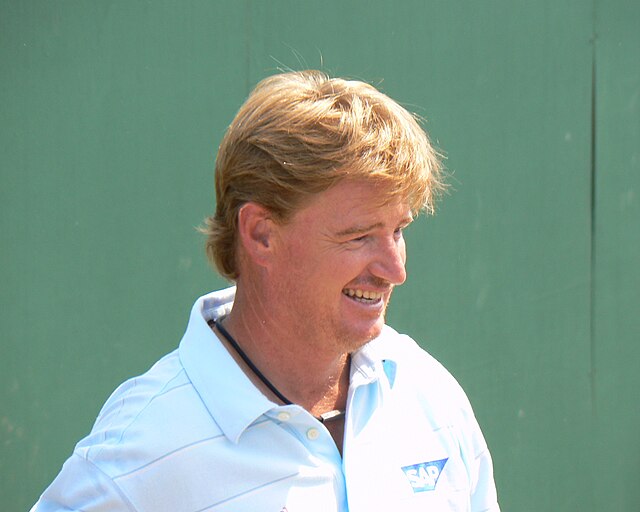
The 2003 Presidents Cup ended 17-17 after a Woods-Els playoff was halted by darkness, creating the only tied match in event history.
The 2003 Presidents Cup at Fancourt ended 17-17, making it the only tied match in event history. The lasting image was not a trophy lift but the decision to share the Cup after Tiger Woods and Ernie Els could not be separated in a playoff as darkness fell.
The Setting
The match was played at The Links at Fancourt in South Africa. Gary Player captained the International Team, and Jack Nicklaus captained the United States. After the scheduled matches, the score was tied.
Under the procedure used then, Woods and Els went to a sudden-death playoff. They halved three holes before visibility became too poor to continue safely.
The Decision
Nicklaus and Player agreed that the Cup should be shared. The decision was unusual, but it fit the circumstances: two teams level, two stars unable to separate the match, and darkness making further play impractical.
The 2003 tie remains important because it showed the Presidents Cup could produce genuine competitive tension even in an era otherwise defined by U.S. success.
Legacy
The event's later identity changed in part because of 2003. Modern Presidents Cup rules allow a tied overall score to result in the Cup being shared, rather than forcing an extended playoff.
That distinction separates the Presidents Cup from the Ryder Cup, where a tie means the holder retains the trophy.
Why The Tie Still Matters
The 2003 match is useful because it gives the International Team something more recent than 1998 to point toward. It was not a victory, but it showed that a non-U.S. venue, a strong International core, and elite individual performances could push the United States to the edge.
It also explains why the Presidents Cup has a different emotional texture from the Ryder Cup. The Ryder Cup is built around rivalry and retention. The Presidents Cup has always carried more language about sportsmanship and global goodwill. The shared Cup at Fancourt fit that identity, even if some fans wanted a winner.
For Medinah, the lesson is practical. The International Team does not need to dominate the United States for four days to make the event matter. It needs to keep the match close enough that the final singles stretch has consequence.
The tie also shows why format details matter. A competition can feel completely different when a shared result is possible. Captains make decisions knowing whether a half point is enough, whether a trophy can be retained, or whether the event must produce a winner. Fancourt forced the Presidents Cup to clarify that identity for future editions and for fans comparing it with the Ryder Cup.
Fancourt's Lasting Lesson
Fancourt 2003 stands with Royal Melbourne 1998 as one of the International Team's strongest historical reference points. It was not a win, but it was proof that the matchup could reach a true deadlock under maximum pressure.
Fancourt showed how early team-session points can shape the final singles matches. The International Team kept the overall score close enough for every late half point to matter, taking the competition all the way to a shared result.
Sources and further reading (4)
- 2003 Presidents Cup history - Presidents Cup
- Presidents Cup history - Presidents Cup
- What is the Presidents Cup? - Presidents Cup
- A brief history of the Presidents Cup - Golf Monthly
Related Articles
The Shield: How Ernie Els Gave the International Team an Identity
Ernie Els' International Team shield did not win the 2019 Presidents Cup, but it gave the side a lasting identity that still matters before Medinah 2026.
1998 Presidents Cup: How the International Team Won at Royal Melbourne
The International Team's only Presidents Cup victory came at Royal Melbourne in 1998, powered by Peter Thomson's side and Shigeki Maruyama's 5-0 week.
Top 10 Most Memorable Moments in Presidents Cup History
From the International Team's 1998 win to the 2003 tie and Tiger Woods' playing-captain triumph, these moments define Presidents Cup history.