The Shield: How Ernie Els Gave the International Team an Identity
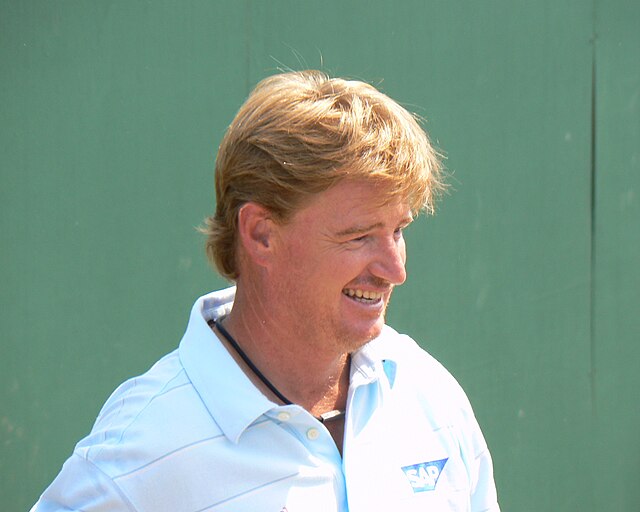
Ernie Els' International Team shield did not win the 2019 Presidents Cup, but it gave the side a lasting identity that still matters before Medinah 2026.
The 2019 Presidents Cup did not end with the International Team lifting the trophy, but it did leave behind one of the most durable identity changes in the competition's modern history: Ernie Els' International Team shield.
Before Royal Melbourne, the International side had always carried an unusual problem. It represented the world outside the United States and Europe, but it did not represent one country. Team USA could lean on the American flag. The International Team needed a symbol that could hold together Australians, South Africans, Canadians, Koreans, Japanese players, Latin American players, and others without pretending they shared one nationality.
Els' answer was the shield.
What the Shield Actually Represented
The PGA TOUR's 2019 account of the logo described three core elements: flag imagery tied to golf and patriotism, a shield shape representing strength and defense, and a Celtic knot representing unity, faith, and loyalty. Golf Monthly later summarized the same meaning and noted that the logo was introduced by Els ahead of the 2019 Presidents Cup as a unifying identity for the side.
That matters because the shield was not just a decorative patch. It gave the International Team a shared visual language. Players could still carry their national identities, but the larger mark gave them something common to play under.
The Royal Melbourne Context
Royal Melbourne made the idea more powerful because the International Team actually played like the symbol meant something. Els' side led 10-8 entering Sunday singles before Tiger Woods' U.S. team rallied to win 16-14. The final score was still another American victory, but the tone was different from many earlier defeats.
The International Team looked organized, emotionally connected, and tactically prepared. Abraham Ancer and Sungjae Im brought youth. Adam Scott and Louis Oosthuizen gave the team experience. Els used pairings and messaging to make the group feel less like a collection of flags and more like one side.
Why It Still Matters
The shield continued beyond 2019. It appeared again in later Presidents Cup cycles, including as a rallying point around the International Team's broader identity. NBC Sports later framed 2019 as a reset point for the International side's unity, while Golf Monthly described the logo as a fresh identity and rallying point.
That legacy is important for Medinah 2026. Geoff Ogilvy cannot rely on symbolism alone, but he inherits a clearer team identity than many earlier International captains had. The shield gives the team a language for belonging before the first pairing is announced.
The Limit of Symbolism
The shield gave players from different countries a shared team symbol. Results still depended on the partnerships, individual performances and decisions made across the four days. The United States retained the advantage of a deep player pool, leaving the Internationals with a competitive challenge beyond establishing a common identity.
What it did was give the International Team a credible emotional foundation. Team golf needs that. Players must believe they are competing for something more coherent than an exhibition week. The shield helped create that belief.
Medinah Lesson
The most useful lesson from 2019 is that identity can make a team more competitive, but it still has to be paired with performance. Els gave the International Team a symbol. Ogilvy's challenge is to turn that symbol into points.
If Medinah becomes competitive deep into Sunday, the roots will not be only in world ranking points or pairings models. They will also trace back to the moment Els made the International Team look and feel like a real team. That is the honest legacy of the shield: not a trophy, but a foundation.
Sources and further reading (3)
Related Articles
1998 Presidents Cup: How the International Team Won at Royal Melbourne
The International Team's only Presidents Cup victory came at Royal Melbourne in 1998, powered by Peter Thomson's side and Shigeki Maruyama's 5-0 week.
2003 Presidents Cup Tie: Fancourt, Woods, Els, and the Shared Cup
The 2003 Presidents Cup ended 17-17 after a Woods-Els playoff was halted by darkness, creating the only tied match in event history.
Top 10 Most Memorable Moments in Presidents Cup History
From the International Team's 1998 win to the 2003 tie and Tiger Woods' playing-captain triumph, these moments define Presidents Cup history.